Blogia

Our 6th grade Blog

9 de mayo: DÍA DE EUROPA

Celebramos el día de la madre, del padre, día de la felicidad, día de la hispanidad... y hoy toca celebrar el Día de europa. Así que si eres europeo o europea tienes algo que festejar. Pero ¿por qué se celebra este día?

Esta jornada conmemora la Declaración Schuman, realizada el 9 de mayo. En esta declaración el ministro francés de exteriores Robert Schuman, sentó las bases de lo que sería la futura Unión Europea. El político propuso una Comunidad del Carbón y el Acero, una alianza entre Alemania (en aquel momento la República Federal Alemana) y Francia. El tratado por el que se creó la CECA se firmó en Roma en 1957. Un primer paso que años después daría lugar a la actual Unión Europea.

Para celebrar el Día de Europa en las semanas previas a las elecciones europeas, las instituciones de la UE abrirán sus puertas al público en Bruselas, Luxemburgo y Estrasburgo. Las oficinas de la UE en Europa y el resto del mundo organizarán una variedad de actividades y eventos para todas las edades. Sigue leyendo...


Matter Matters!!

Matter matters!!

Learn more about Matter in these Super Science Sites!!


MATTER - Questions and Answers

 1. What is matter?

Everything around you is matter; matter is the stuff around you.

 2. What are the general properties of matter? Define them.

The general properties of matter as mass and volume.

Mass is the amount of matter in a physical body.

Volume is the amount of space that a body occupies.

 3. What tools do we use to measure the general properties of matter?

We can measure the mass of a body with scales and weighing machines.

To measure the volume of a solid body we can put it into a beaker of water.

 4. Can two objects weigh the same but have a different form and volume? Explain it.

Yes, two objects that have a different form and volume can weigh the same if they have got the same mass.

 5. Why does a wet T-shirt weigh more than a dry one?

Because the mass of the T-shirt has water added to it.

 6. Why does a balloon deflate if you don’t tie a knot?

Because air tends to occupy the maximum space possible.

 7. Why does a silver ring sink in water?

Because the density of silver is greater that the density of water.

 8. What are other specific properties of matter? Define them and give examples.

Different types of matter have got specific properties that make them unique. These specific properties of matter are hardness and toughness, plasticity, ductility and elasticity, and conductivity.

Hardness is the ability to resist scratches and cuts. Diamond is a hard material and chalk is a soft one.

Toughness is the ability to resist breaking. Steel and granite are tough materials and glass and porcelain are fragile ones.

Plasticity is the ability to change shape without breaking. Plastic materials can we bend and fold easily.

Ductility is the ability to be stretched to make thin wires. Gold and silver are very ductile materials.

Elasticity is the ability to return to their original shape after we bend or stretch them. Rubber is a very elastic material.

Conductivity is the ability to conduct heat or electricity. Thermal conductors conduct heat easily, as many metals. Electrical conductors conduct electricity very easily, as cooper and gold. Thermal insulators are materials that don’t conduct heat very well, as wood. Electrical insulators are materials that don’t conduct electricity very well, as plastic and rubber.

 9. How do we call materials that break easily?

We call them fragile materials.

 10. Is gold an elastic material? Why?

No, it isn’t. Gold can not be bent or stretched and return to its original shape.

 11. Give examples of two good thermal conductors and two good electrical conductors?

Iron and aluminium are good thermal conductors. Steel and cooper are good electrical conductors.

 12. How do we call materials that are not good conductors?

We call them insulators.

 13. Write two examples for each of the following definitions:

  • A hard, tough material: diamond

  • A soft, elastic material: sponge

  • A hard, fragile material: porcelain

  • A plastic, insulating material: rubber

 14. What are the three states of matter? And their properties?

The three states of matter are solid, liquid and gas.

Solids have a constant mass, a constant volume and a stable shape.

Liquids have a constant mass, a constant volume and a variable shape.

Gases have a constant mass, a variable volume and a variable shape.

 15. Which properties of solids are constant?

Mass, volume and shape are constant in solids.

 16. What are the three examples of water in a solid form?

Ice, snow and hail are three examples of water in a solid form.

 17. What does the state of water depend on?

The state of water depends on its temperature.

 18. How can we cause a change of state in water?

We can cause a change of state in water by adding heat.

 19. At what temperatures does water freezes and boils?

Water freezes at 0ºC and it boils at 100ºC.

 20. Look at the drawing on page 125 of your textbook and explain what happens:

There is ice in a glass beaker which is being heated. The ice melts because of the heat and changes to liquid water. As we continue heating the beaker, the water boils and changes to water vapour.

Verbos de la 2ª conjugación

Hola chicos. Os dejo una actividad para que juguéis con los verbos y os resulte más fácil y divertido estudiarlos. Espero que os guste y os resulte útil. :)

MATTER - Questions

  1. What is matter?
  2. What are the general properties of matter? Define them.
  3. What tools do we use to measure the general properties of matter?
  4. Can two objects weigh the same but have a different form and volume? Explain it.
  5. Why does a wet T-shirt weigh more than a dry one?
  6. Why does a balloon deflate if you don’t tie a knot?
  7. Why does a silver ring sink in water?
  8. What are other specific properties of matter? Define them and give examples.
  9. How do we call materials that break easily?
  10. Is gold an elastic material? Why?
  11. Give examples of two good thermal conductors and two good electrical conductors.
  12. How do we call materials that are not good conductors?
  13. Write two examples for each of the following definitions: a hard, tough material; a soft, elastic material; a hard fragile material; a plastic, insulating material.
  14. What are the three states of matter? And their properties?
  15. Which properties of solids are constant?
  16. What are the three examples of water in a solid form?
  17. What does the state of water depend on?
  18. How can we cause a change of state in water?
  19. At what temperatures does water freezes and boils?
  20. Look at the drawing on page 125 of your text book and explain what happens.

OPERACIONES SEMANA DEL 5 AL 9 DE MAYO DE 2.014

OPERACIONES SEMANA DEL 5 AL 9 DE MAYO DE 2.014

FECHA:5 DE MAYO

86.458 : 742        y         Prueba

FECHA:6 DE MAYO

54.365 : 583        y         Prueba

FECHA:7 DE MAYO

4+21x2-(7+8)=

(6+3)x2-8x2=

22-3x6+(9-3)=

FECHA:8 DE MAYO

37.753 : 87         y         Prueba

0,657x100=

2,56:100=

FECHA:9 DE MAYO

7.598,3 x 42=

75.325,65 – 21.035,3=

Más mapas interactivos

Vuestra compañera Lara (5ºA) nos recomienda otra página web con juegos para prácticar la geografía de España.

¡¡Gracias Lara!!

CINCO DE MAYO!!

Cinco de Mayo celebrates a victory by the Mexican Army over the French Army in the Battle of Puebla on May 5, 1862.

It was a great victory because it was unexpected. France at that time was still very powerful and had many troops in Mexico. Why were French troops in Mexico? Let’s go back a few years.

Mexico gained its independence from Spain in 1810. But the Mexican War with the United States and the Mexican Civil War almost entirely wiped out the Mexican Treasury. During these wars, Mexico had borrowed heavily from European countries, including France. In the early 1860s, Mexico stopped paying France back. France’s answer was to invade Mexico.

The French had tried to make Archduke Maximilian of Austria the ruler of Mexico. Under his command, French troops marched from the Gulf of Mexico toward Mexico City.

Mexican General Ignacio Zaragoza and about 5,000 poorly armed troops met the 6,000-strong French army at the Battle of Puebla. The Mexican victory was incredible. It stopped the French cold, at least for awhile.

But more French troops returned, and this time they succeeded. French rule of Mexico was short, however. In 1867, pressure from the United States and from other concerns abroad convinced France to abandon its Mexican empire. Mexico was free once again.

The importance in the Battle of Puebla is in the ability of a smaller, more poorly equipped army to defeat a larger, well-equipped one. The Mexican people also showed that they were willing to defend their homeland from invaders. This victory also punched a hole in the European mystique, which held that European governments and armies were by their very nature more powerful than other, smaller countries and their armies.

COUNT ON ME by Bruno Mars

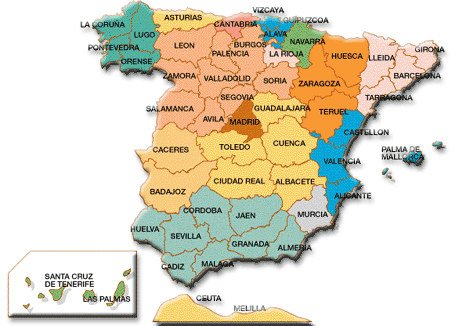
Mapas Interactivos

Pincha en el mapa para acceder a los mapas interactivos.

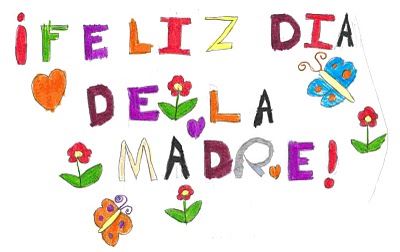
4 de mayo 2014: DÍA DE LA MADRE

4 de mayo 2014: DÍA DE LA MADRE

El Día de la Madre o Día de las Madres es una festividad que se celebra en honor a las madres en diferentes fechas del año según el país.

Las primeras celebraciones del Día de las Madres se remontan a la antigua Grecia, donde se le rendían honores a Rea, la madre de los dioses Zeus, Poseidón y Hades.

Igualmente los romanos llamaron a esta celebración Hilaria cuando la adquirieron de los griegos. Se celebraba el 15 de marzo en el templo de Cibeles y durante tres días se realizaban ofrendas.

Los católicos transformaron estas celebraciones para honrar a la Virgen María, la madre de Jesús. En el santoral católico el 8 de diciembre se celebra la fiesta de la Inmaculada Concepción, fecha que los católicos adoptaron para la celebración del Día de las Madres.

En Inglaterra hacia el siglo XVII, tenía lugar un acontecimiento similar, también relacionado con la Virgen, que se denominaba Domingo de las Madres. Los niños concurrían amisa y regresaban a sus hogares con regalos para sus progenitoras. Además, como muchas personas trabajaban para gente acaudalada y no tenían la oportunidad de estar en sus hogares, ese Domingo se le daba el día libre para visitar a sus familias.

En 1873, mujeres en 18 ciudades estadounidenses realizaron una reunión del Día de las Madres. Boston lo siguió celebrando durante al menos una década más. Al paso de los años, se fueron apagando más festejos. Howe continuó trabajando por otras vías por los derechos de las mujeres y por la paz. El 12 de mayo de 1907 Ana Jervis dos años después de la muerte de su madre, quiso conmemorar el fallecimiento y organizó un día de la madre para hacerlo. A partir de entonces encabezó una activa campaña que fue extendiéndose a todo el territorio de los Estados Unidos. Finalmente, siete años después el presidente Woodrow Wilson declaró en el año 1914, el Día de la Madre como el segundo domingo de mayo en Estados Unidos. Así fue gestado el día internacional de la madre que después fue encontrando eco en otros países que lo adoptaron hasta tenerse la celebración conocida en la actualidad.

El día de la madre es un día muy especial en honor a todas las madres en el que es tradición que todos los hijos le hagan un regalo como muestra de su amor hacia ella. 
En muchos países el día de la madre se celebra en el mes de mayo pero, cada lugar, según su tradición, lo celebra en una fecha determinada:

El primer domingo de mayo se celebra el día de la madre en España, Hungría, Lituania, Portugal y Sudáfrica.

El segundo domingo de mayo se celebra el día de la madre en los siguientes países: Alemania, Australia, Austria, Bélgica (excepto Amberes), Brasil, Chile, China, Canadá, Colombia (excepto Cúcuta), Croacia, Cuba, Dinamarca, Ecuador, Estados Unidos, Estonia, Filipinas, Finlandia, Grecia, Paises bajos, Honduras, Italia, japón, Letonia, Liechtenstein, Nueva Zelanda, Perú, Puerto Rico, República Checa, Suiza, Taiwán, Turquía, Ucrania, Uruguay, Venezuela.

El día de la madre en otras fechas de mayo

8 de mayo: en Albania (Día de los Padres) y Corea del Sur.
10 de mayo: en Arabia Saudita, El Salvador, Emiratos Árabes Unidos, Guatemala, India, Malasia, México, Omán, Pakistán, Qatar, Singapur y Uruguay.
14 de mayo: en Samoa.
15 de mayo: en Paraguay. 
26 de mayo: en Polonia.
27 de mayo: en Bolivia.
30 de mayo: en Nicaragua.
Último domingo de mayo: en Cúcuta (Colombia), República Dominicana, Suecia, Francia (primer domingo de junio si coincide con Pentecostés)

El día de la madre, en el mes de marzo

3 de marzo: en Georgia.
8 de marzo: en Albania, Bosnia y Herzegovina, República de Macedonia, Montenegro, Rumanía, Serbia, Bulgaria, Rusia y otros países que pertenecieron a la URSS.
21 de marzo (Día de la primavera): en Egipto, Líbano, Marruecos, Territorios Palestinos, Siria.

El día de la madre en otras fechas

El segundo domingo de febrero: en Noruega
Cuarto domingo de cuaresma: en Irlanda y el Reino Unido.
12 de agosto: en Tailandia.
15  de agosto: en Amberes (Bélgica) y Costa Rica.
Tercer domingo de octubre: en Argentina
8 de diciembre: en Panamá 
22 de diciembre: en Indonesia.

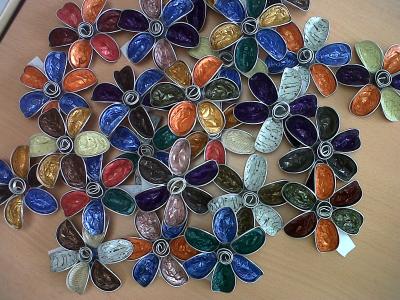
Wow!!!!

¡¡Qué bonito!!!!

OPERACIONES SEMANA DEL 28 DE ABRIL AL 2 DE MAYO

OPERACIONES SEMANA DEL 28 DE ABRIL AL 2 DE MAYO

FECHA:28 DE ABRIL

21.356 : 55        y         Prueba

FECHA:29 DE ABRIL

97.601 : 694        y         Prueba

FECHA:30 DE ABRIL

14x5-13x5=

25+(8x9)-3=

23+25-(4x8)=

FECHA:1 DE MAYO

18.359 : 872         y         Prueba

74.658x100=

0,123:10=

FECHA:2 DE MAYO

653,98 x 94        

9.357,657+5.478,2=

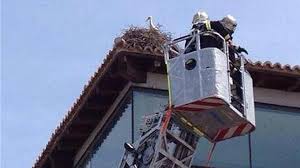
Los bomberos liberan a una cigüeña atrapada en su nido en San Agustín del Guadalix

Estaba atrapada por el cuello y con las patas enredadas por unos plásticos

EMERGENCIAS MADRID
Los bomberos de la Comunidad de Madrid, durante un momento del rescate

Bomberos de la Comunidad de Madrid han liberado a una cigüeña que se había quedado atrapada en su nido en la torre de la Casa de la Cultura de la localidad madrileña de San Agustín del Guadalix.

Fuentes de Emergencias Comunidad de Madrid 112 han informado de que el suceso se ha producido sobre las 13:10 horas cuando la policía municipal ha observado a una cigüeña que colgaba de su nido en la torre de la Casa de la Cultura, en la calle Andalucía sin número.

Ayudados con una autoescala, los bomberos han liberado al animal que estaba atrapado por el cuello y con las patas enredadas por unos plásticos que había en el nido, lleno de polluelos, y así la cigüeña ha podido retomar el vuelo.

Día 27/04/2014 

An Awesome song about the States of Matter!!!

Matter is the Stuff Around You

Matter is everything around you. Matter is anything made of atoms and molecules. Matter is anything that has amass. Matter is also related to light and electromagnetic radiation. Even though matter can be found all over the universe, you usually find it in just a few forms. As of 1995, scientists have identified fivestates of matter. They may discover one more by the time you get old. 

You should know about solids, liquids, gases, plasmas, and a new one called Bose-Einstein condensates. The first four have been around a long time. The scientists who worked with the Bose-Einstein condensate received a Nobel Prize for their work in 1995. But what makes a state of matter? It’s about the physical state of molecules and atoms.

Do you want to know more about matter? Click here.

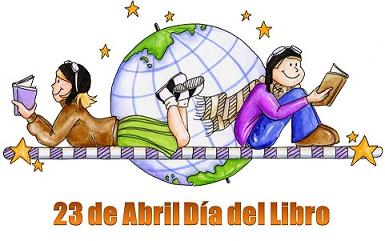
23 de abril: DÍA INTERNACIONAL DEL LIBRO

23 de abril: DÍA INTERNACIONAL DEL LIBRO

El Día Internacional del Libro es una conmemoración celebrada a nivel mundial con el objetivo de fomentar la lectura, la industria editorial y la protección de la propiedad intelectual por medio del derecho de autor.  

El día 23 de abril fue elegido como Día Internacional del Libro, pues coincide con el fallecimiento de Miguel de Cervantes, William Shakespeare y el Inca Garcilaso de la Vega en la misma fecha en el año 1616 (aunque realmente no es así: Cervantes falleció el 22 y fue enterrado el 23, mientras que Shakespeare murió el 23 de abril del calendario juliano, que corresponde al 3 de mayo del calendario gregoriano). En esta fecha también fallecieron William Wordsworth (en 1850) y Josep Pla (en 1981).

La Unión Internacional de Editores propuso esta fecha a la Unesco, con el objetivo de fomentar la cultura y la protección de la propiedad intelectual por medio del derecho de autor. La Conferencia General de la Unesco la aprobó en París el 15 de noviembre de 1995, por lo que a partir de dicha fecha el 23 de abril es el "Día Internacional del Libro y del Derecho de Autor".

Shakespeare for kids"To be or not to be-that is the questions." Choose a game or activity from the signs at the left. Have fun coloring pictures, solving mazes, and...

Miguel de Cervantes SaavedraDedicado a la biografía y bibliografía de este escritor universal.

Garcilaso de la VegaLa página de Garcilaso en Internet. Promovida por la Asociación de Amigos de Garcilaso de la Vega.

World Book Day: Official site of the yearly event. Introduces the day, lists events, and lists book recommendations. Also pictures of past events.

Día del Libro: Página oficial del Día del Libro.

International Children’s Book Daycelebrated to inspire a love of reading and to call attention to children’s books.


1st conditional

IF + SUBJECT + PRESENT SIMPLE, SUBJECT + WILL + INFINITIVE

SUBJECT + WILL + INFINITIVE + IF + SUBJECT + PRESENT SIMPLE

We use the First Conditional to talk about future events that are likely to happen.

  • If we take John, he’ll be really pleased.
  • If you give me some money, I’ll pay you back tomorrow.
  • If they tell us they want it, we’ll have to give it to them.
  • If Mary comes, she’ll want to drive. 
The ’if’ clause can be used with different present forms.
  • If I go to New York again, I’ll buy you a souvenir from the Empire State Building.
  • If he’s feeling better, he’ll come.
  • If she hasn’t heard the bad news yet, I’ll tell her.

The "future clause" can contain ’going to’ or the future perfect as well as ’will’.

  • If I see him, I’m going to tell him exactly how angry I am.
  • If we don’t get the contract, we’ll have wasted a lot of time and money.

The "future clause" can also contain other modal verbs such as ’can’ and ’must’.

  • If you go to New York, you must have the cheesecake in Lindy’s.
  • If he comes, you can get a lift home with him.

exercise 1

exercise 2

exercise 3

exercise 4

exercise 5

OPERACIONES SEMANA DEL 22 AL 25 DE ABRIL DE 2014

OPERACIONES SEMANA DEL 22 AL 25 DE ABRIL DE 2014


FECHA: 22 DE ABRIL

86.325 : 87    y         Prueba

FECHA: 23 DE ABRIL

74.123 : 62    y      Prueba

235,456 : 100 =

3.658 x 1000 =

FECHA: 24 DE ABRIL

(6+8)+(13+5)=

20-2x9+6=

24+(12x2)-8=

FECHA: 25 DE ABRIL

2.356,52 x 58 =   

54.356,24 - 32.874,86 =

IF YOU ....


Don’t forget to write a story similar to these ones, starting: 

"If you give a caterpillar a chocolate bar" (5ºA)

"If you give a snake a microphone"(5ºB)

"If you give a fish a bow tie" (5ºC)

Do not forget to use the first conditional to make your sentences.

Be creative!

Be original!

And have fun!!