Línea del Tiempo de la Prehistoria
Línea del tiempo de la Prehistoria

Línea del tiempo de la Prehistoria en España


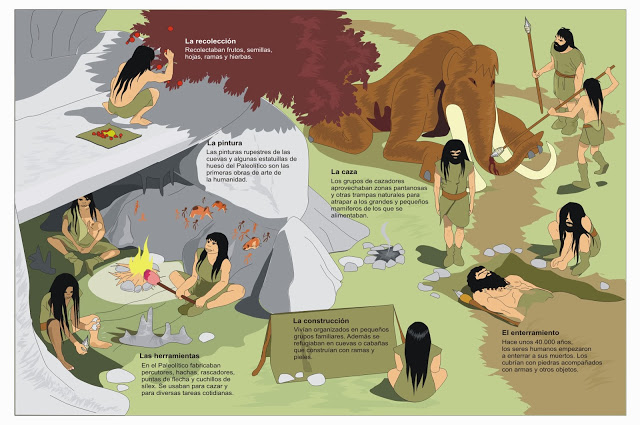


Se conoce como periodización al campo de las ciencias sociales que trata de dividir la historia u otro campo del conocimiento (la ciencia, la literatura, el arte) en distintos períodos que posean unos rasgos comunes entre sí, lo suficientemente importantes como para hacerlos cualitativamente distintos a otros períodos.
No hay un acuerdo universal sobre la periodización en Historia, aunque sí un consenso académico sobre los periodos de la Historia de la Civilización Occidental, basado en los términos acuñados por Cristóbal Celarius (Edades Antigua, Media y Moderna), que pone al mundo clásico y su renacimiento como los hechos determinantes para la división.
En el siglo XVI los historiadores de la literatura y los filólogos, estudiando el latín señalaron tres fases en su gradual evolución: la "alta edad" o "superior" que llegaba hasta Constantino, etapa del latín clásico; la "edad media" de la lengua, que alcanzaba desde Constantino a Carlomagno (siglos IV al IX), y la "edad ínfima" iniciada en el 842 con el primer texto en romance, Los Juramentos de Estrasburgo, Por eso precisamente Ch. D. Du Cange tituló su famoso diccionario Glossarium ad scriptores mediae et infimae latinitatis (París, 1678). La primera ocasión en que se designa el término "Edad media" con sentido histórico parece haber sido en 1639, por el liejense Rasuin en su Laodium. La expresión pasaría desde ese mismo siglo XVII a designar el período de transición entre la antigüedad clásica y el renacer de su cultura experimentada en la Edad Nueva que habita tomado cuerpo a lo largo del siglo XV. Y, en consecuencia, su uso tendía a menospreciar los valores de dicha edad intermedia como un puente o una noche de “mil años”. Los pedagogos fueron los responsables de que este nuevo concepto de la Edad Media adquiriera carta de naturaleza en los manuales o síntesis de historia. Un profesor de fines del siglo XVII, Cristóbal Séller (1634-1707) o Celarius –como gustaba llamarse latinizando su nombre a la manera humanista- introdujo la modalidad en uno de los manuales escolares de Historia Antigua editado en 1685, y la claridad que implicaba para la explicación histórica le indujo a repetirla en otro, titulado Historia Medii Aevi a temporibus Constanini Magni ad Constaninopolim a Turcis captam deducta (Jena, 1688). Otro profesor, Loescher, la repitió en un manual alemán: Geschicchte der Mittleren Zeiten (1725), y no tardó en generalizarse el nuevo concepto, porque resultaba cómoda esa división de la Historia.
Manuel Riu (1978)


LA PREHISTORIA
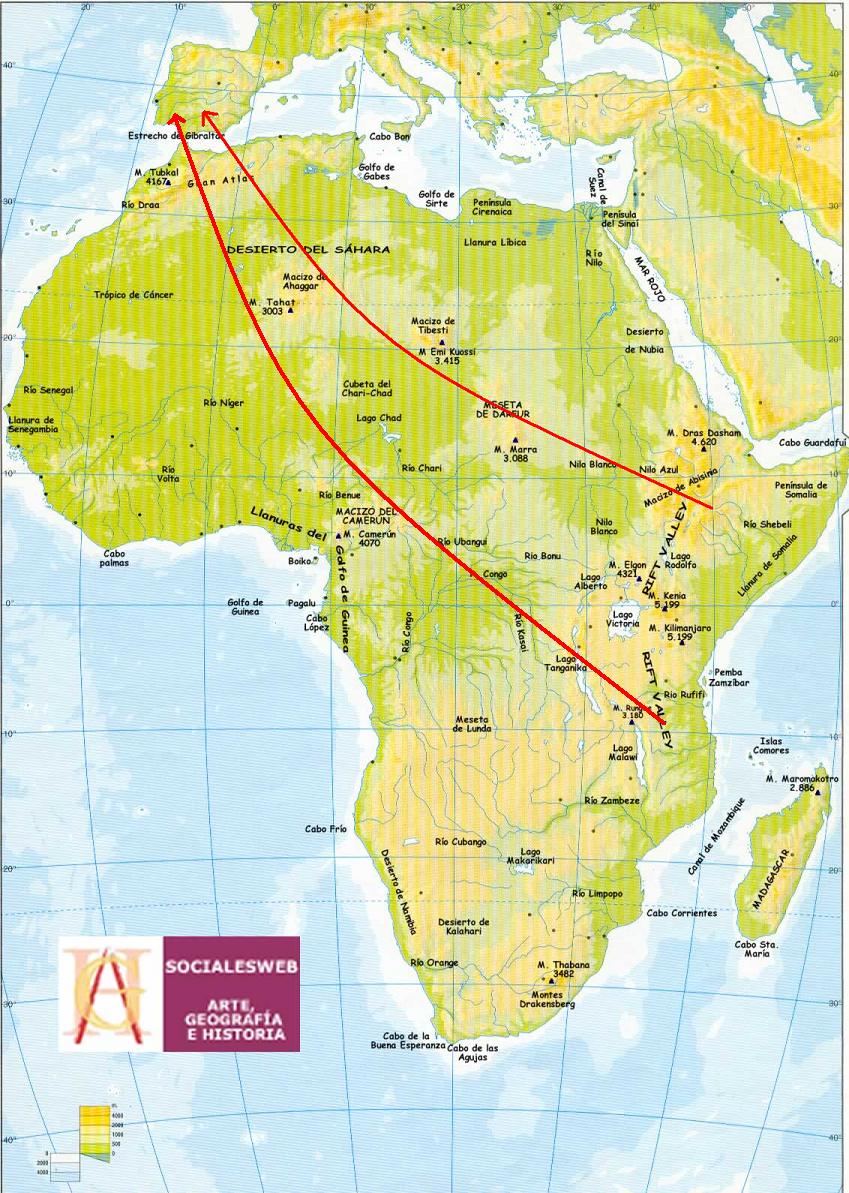
La Prehistoria se divide en varias etapas:



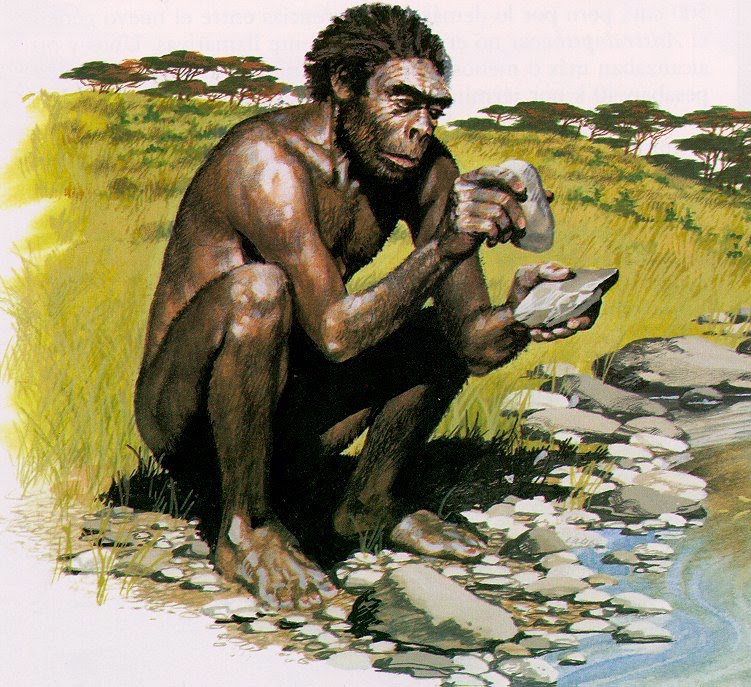


En esta época se produjeron dos inventos importantes:


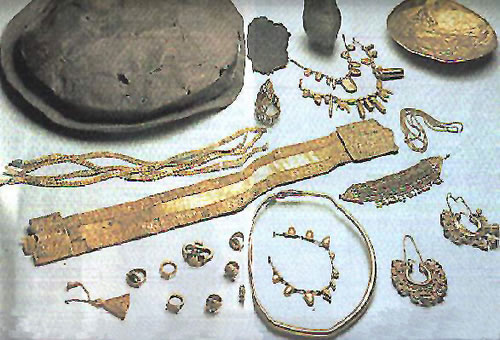

En la Edad de los Metales se produjeron tres grandes inventos: la rueda, la vela y el arado.
La rueda permitió trasladar mercancías más pesadas en carros.



Autumn is not only a wonderful time of year with crunchy, colorful leaves and cooler weather, but it is also a great time to learn some new autumn facts for kids. When you think of autumn, you probably think of cooler weather, going back to school, Halloween and falling leaves, but what else do you know about the season?
These autumn facts can help everyone enjoy the season even more. Have a happy fall!
A piece of good music sung by one of my former students to start this school year!!
Hope you like it as much as I do!!

... day!!!!
Prepare yourself!!!!!
days...
Enjoy and Relax!!!!
days...
Prepare your materials...
days to start school!!!!
...Are you ready????
985.652 : 76 y Prueba
574.652 : 475 y Prueba
985.635,24 – 74.652=
820.345 + 125.324,654 =
34.567 : 35 y Prueba
4,214 x100=
652,3 :100 =
987.456 X 7,65=
2014 FIFA World Cup Brazil starts today!!
If you want to follow what happens in this year’s World Cup, click on the picture and print the worksheets.
Click here to download the World Cup Bracket to make your guess.
“II OLIMPIADA ESCOLAR”. Organizada por la Concejalía de Deportes del Ayuntamiento para los alumnos de 4º y 5º.
"En el nombre de todos los competidores, yo prometo que nosotros participaremos en estos Juegos Olímpicos, respetando y cumpliendo las reglas que lo gobiernan, en el verdadero espíritu deportivo, por la gloria del deporte y el honor de nuestros equipos".
"In the name of all competitors, I promise that we will take part in these Olympic Games, respecting and according to the rules which govern them, committing ourselves to a sport without doping and without drugs, in the true spirit of sportsmanship, for the glory of sport and the honour of our teams”.
Barón de Coubertin
Be Happy and
Have a wonderful weekend!!
A force is any pull or push that can put an object into motion, stop an object or change the way that it moves. A force can also deform or break an object.
2. What are the main types of forces? Give examples.
The main types of forces are contact forces and non-contact forces.
Contact forces act on objects by making physical contact, for example, a tennis player shots the ball with his tennis racket.
Non-contact forces act on objects without making physical contact, for example, a magnet attracting iron from a distance.
3. What type of force is magnetism?
The force of magnetism is a non-contact force.
4. What is the force of gravity? What does it depend on?
The force of gravity is a non-contact force that depends on an object’s mass and its distance from the Earth.
5. How do mass and distance affect the force of gravity?
Gravity is stronger on objects that have got more mass and on objects that are near the Earth.
6. Why do astronauts float in space?
Astronauts float on space because gravity is weaker on objects that are far from the Earth.
7. What is a machine?
A machine is a tool that multiplies force to make work faster and easier.
8. What is a simple machine?
A simple machine is a machine that usually has got one or two parts.
9. What is a complex machine?
Complex machines are combinations of two or more simple machines. They have got many parts.
10. In what everyday machines can we find gears?
We can find gears in clocks, bicycles and door handles.
11. What are the main types of simple machines?
The main types of simple machines are: the wheel, the pulley, the ramp, the lever and the screw.
12. How can we use a pulley?
We use pulleys to lift loads. When we pull down on one end of the rope the other end pulls up the load. We use the same amount of force, but the pulley makes the work more comfortable.
13. How can we use a ramp?
We use a ramp to go up and down. We can also use a ramp to move heavy loads more easily.
14. How can we use a lever?
We use levers to move and lift objects more easily.
15. How do we call the fixed point of a lever?
We call it fulcrum.
16. Let’s see how much you know about your bicycle: What is the part that connects the crank to the back wheel? What do you use to change the direction of the front wheel? What is the special wheel with metal gears? What does a cable to control the brake pull?
The part that connects the crank to the back wheel is the chain.
The part that we use to change the direction of the front wheel is the handlebar.
The special wheel with metal gears is the crank.
The cable to control the brake pulls the brake lever.
17. What is technology? What does it include?
Technology is the art of applying scientific knowledge to solve practical problems. It includes designing and building the necessary equipment.
18. What is the most important invention in the history of transport?
The most important invention in the history of transport is the wheel.
19. What type of engine have most aeroplanes got today?
Most aeroplanes use the jet turbine.
20. What did the steam engine give us?
The steam machine gave us a new way to power machines and vehicles.
365.324 : 76 y Prueba
756.523 : 624 y Prueba
875.365,25 - 64.235=
254.368 + 98.388,9 =
68.745 : 88 y Prueba
4789 x10000=
6.523 :100 =
652,349 X 65,4=
