OUR LION
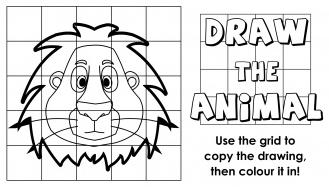
For those of you who didn't finish it in class...

For those of you who didn't finish it in class...
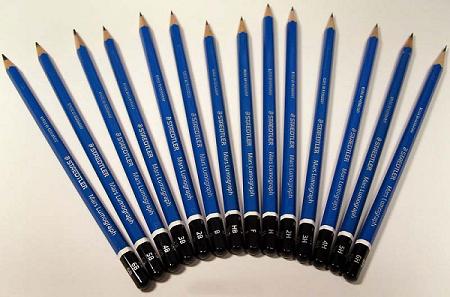
Los lapiceros de grafito son el útil más básico y fundamental de tu equipo de dibujo, son un producto económico y muy versátil que puede generar desde dibujos técnicos a dibujos artísticos con grandes escalas tonales, nunca esta de más saber un poco más de tal útil y modesta herramienta.
Es importante como en muchas prácticas artísticas el tener acceso a material de calidad, en este caso dado el bajo precio iremos siempre a marcas reconocidas.
Los lapiceros están compuestos de dos partes, la mina y un material que lo recubre, generalmente madera, aquí encontramos diferencias importantes en la calidad del lápiz ya que los hay de maderas o compuestos de tan baja calidad que prácticamente son inafilables.
El grafito por otro lado es la parte con que dibujamos, su nombre viene del griego (graphein) que significa dibujar y es una forma de carbono como los diamantes y el grafeno, su resistencia es impresionante, no se degrada por el paso del tiempo y tiene propiedades lubricantes, un dibujo realizado a lápiz sobre un muro puede durar todo lo que dure el muro manteniendo la frescura del primer día, también se denomina al grafito plumbagina y plomo negro.
Las minas de grafito también se venden sin material que las recubre, en este caso tendremos dos tipos fundamentales, las minas de portaminas y las barras de grafito, las minas necesitan imprescindiblemente de un portaminas que elimina la labor de afilado y mantiene siempre el mismo calibre, por otro lado las barras necesitan ser afiladas, son tremendamente frágiles y solo aptas para dibujos artísticos, pero aquí como en todo, lo mejor es conocer el material y luego que cada uno haga lo que mejor se le dé o lo que sencillamente más le guste.

Pero bueno después de tanto rollo, vamos a lo práctico que es lo nuestro, es frecuente encontrar a alumnos con dudas sobre que lapiceros utilizar y sobre lo que significan las letras H, B, HB, F y sus escalas 2,3,4,5….

La H viene del inglés (hard) duro estos son los lapiceros que dejan poca huella en el papel, ideal para primeros esbozos, líneas guías de acuarela, pintura y dibujo técnico, cuanto mayor es el número mayor es su dureza, yo recomiendo siempre un 2H para esbozar como material mínimo, a mi personalmente me gusta el 5H pero es difícil de encontrar, durezas mayores ya son para cosas muy específicas.
La B viene del inglés también (Black) Negro, estos son más blandos y consigues un negro más intenso, yo recomiendo mínimo un 2B es un lápiz que da una gran escala tonal sin manchar demasiado el soporte, lápices más blandos son también para cosas específicas.
HB es un compromiso entre blando y duro, digamos que es el 0 en la escala tirando a blando, en ese caso nos podemos encontrar con lápices 2HB que son más blandos todavía pero sin llegar al B
F es de Firme, es como el HB el compromiso entre blando y duro tirando a duro.
Yo recomiendo.
2H para acuarelas y primeros esbozos.
HB ó 2B para sombrear con más o menos negro.
No recomiendo en un dibujo el emplear diferentes durezas para diferentes tonos de sombra, los resultados no suelen ser los buscados ya que cada uno de ellos tiene un brillo metálico diferente y no se integran bien si buscas un buen degradado tonal.
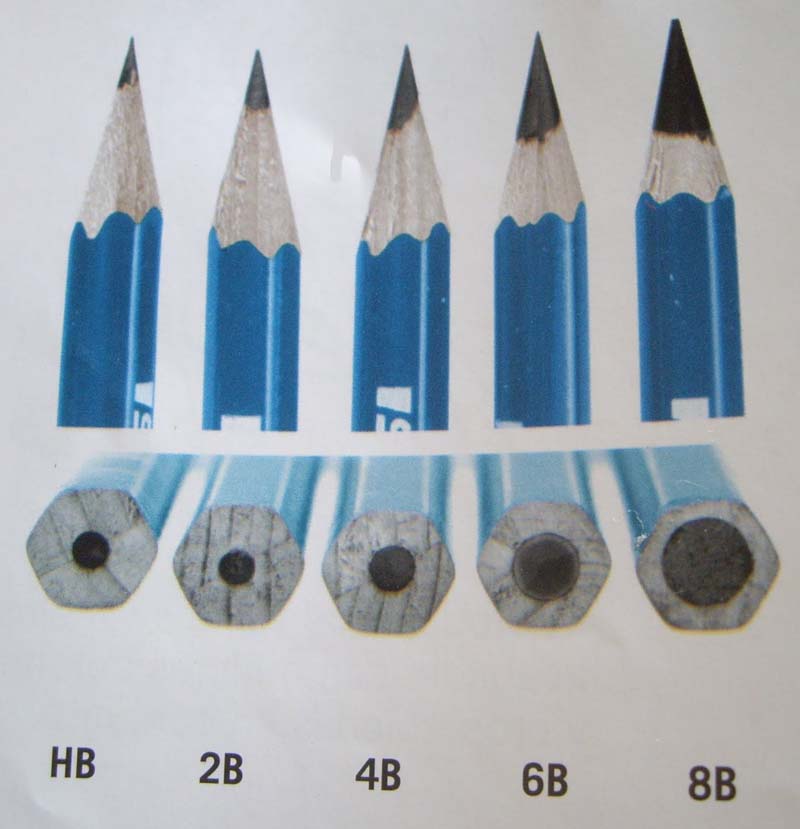
Y por último tener en cuenta que no se pueden hacer minas muy finas con lápices muy blandos debido a cuestiones físicas que ahora no viene al tema tratar.
Por lo tanto no puedes afilar igual un 5H que un 6b y debido a esa consistencia los fabricantes hacen diferentes gruesos de mina ya que no se pueden hacer minas finas de consistencia blanda, ahora te das cuenta en el porqué no hay minas de portaminas del 6B son tan blandas que no se sostienen, si algún día se soluciona este tema el siguiente paso sería hacer barras de pastel para portaminas, ufff solo de pensarlo me sale una sonrisa.
Pero como en este mundo hay leyes tan insultante tangibles como la gravedad, hoy por hoy es mejor ponerse un casco para ir en patinete, se que la vida es injusta en muchas cosas, pero este blog no trata esos temas.
Bueno pues ahora lo que toca es coger un lápiz un papel y a dibujar.
www.eduardozamarro.com
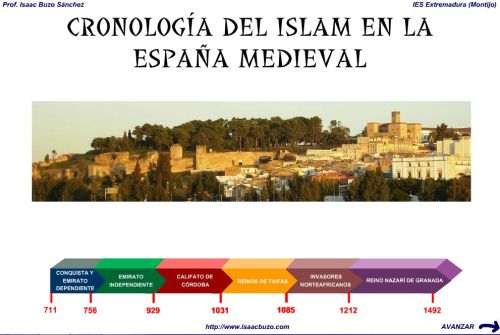
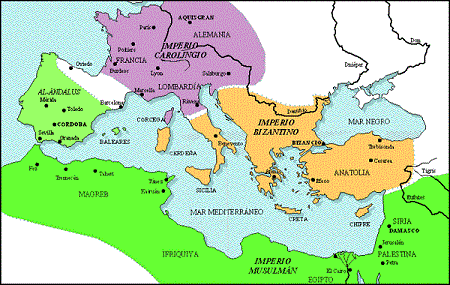
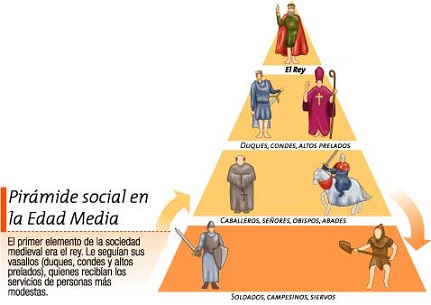
Pincha aquí para aprender más sobre LA EDAD MEDIA.
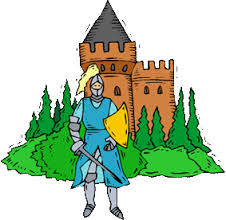
Ahora pincha en la imagen para jugar a CABALLEROS Y CASTILLOS.
1. The Middle Ages refers to a time in European history from 400-1500 AD. It occurred between the fall of the Roman Empire and the discovery of America (beginning of the Renaissance).
2. Historians usually divide the Middle Ages into three smaller periods called the Early Middle Ages, the High Middle Ages, and the Late Middle Ages.
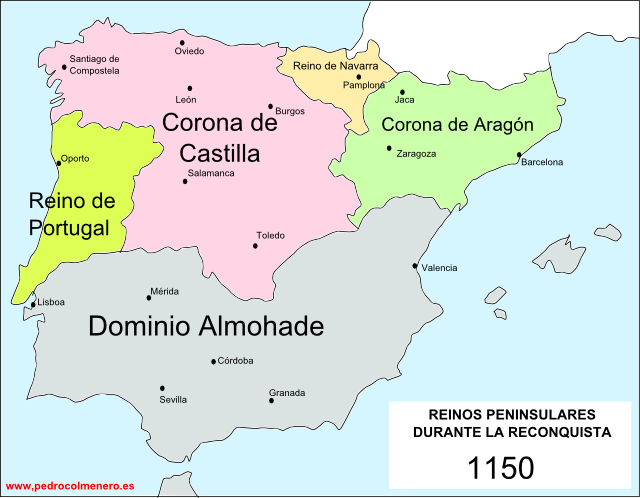
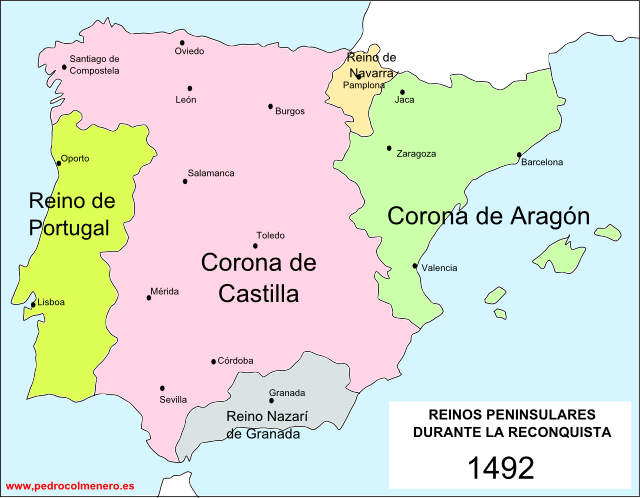
3. During much of the Middle Ages, people in Europe were fighting against the Islamic Empire to take back the Eastern Mediterranean, especially Jerusalem, for the Christian religion. These wars were called the Crusades.
4. The Middle Ages was defined by a Feudal system in much of Europe. This system consisted of kings, lords, knights, vassals and peasants. The people who were part of the church played an important part also. When a person was born into a certain group, they rarely moved to another level.
5. The Feudal system was the law of the land, and the way that the upper class maintained control over the lower class. The upper class provided protection to the lower class and in exchange, the lower class worked for the upper class. The kings and lords lived in castles and were attended to by their personal servants, called vassals. The soldiers that fought for the king and lords were called knights. When conflict arose, the peasants would leave their fields and villages and come into the safety of the castle walls.
6. Kings ruled by what they believed was their "Divine Right". This meant they believed God made them the King, and their kingdom was passed down through generations.
7. Many fairy tales have their roots in the Middle Ages. When you read about castles and the characters that lived and around them, these stories are being told about this time in history.
8. Castles were built for the lords and kings who lived in them. The bigger and stronger the castle was, the wealthier the person who had it built was. The poor lived in huts made from sticks, straw and mud.
9. The church had a great influence over the people. The peasants believed that the harder they worked, the more of their money they gave to the church, and the more they served the church, the better the after-life would be for them.
10. By the early 1300s, however, Europe suffered from both war and disease. The wars were made much worse by the Black Death, or bubonic plague, which spread along the Silk Road from China to Europe starting in 1328, killing millions of people and causing the collapse of the Mongol Empire. By the 1400s, after the plague, Europe looked very different, and the wars were over, and Middle Ages were coming to an end.
- THE END OF ANCIENT HISTORY
Roman empire became too large and it was divided into 2 parts:
Barbarians tribes moved into Roman territory, Rome was invaded in 476 C.E which was the end of the Ancient Period.

- GERMANIC PEOPLES
Many barbarians were Germanic tribes from Central Europe.
Most were farmers, so they lived in the countryside.
They had their culture but learned to speak LATIN, adopted ROMAN LAWS and they converted to CHRISTIANITY.
Society was divided into 3 main groups: KNIGHTS, CLERGY and PEASANTS.
A new social and economic system was developed: FEUDALISM.
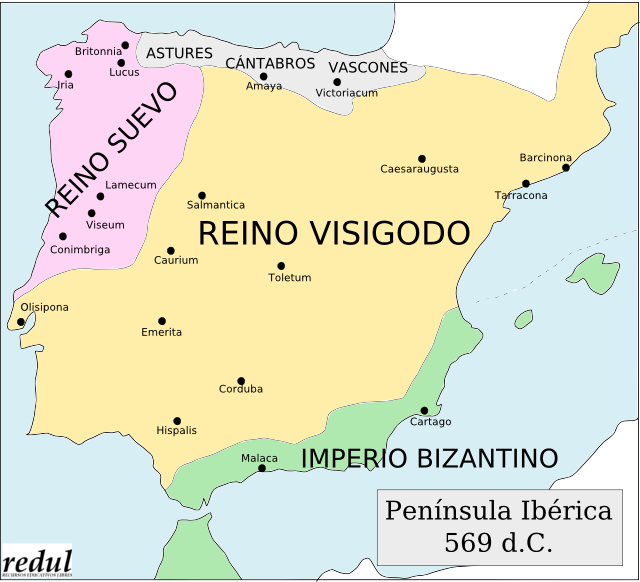
- THE VISIGOTHIC KINGDOM OF TOLEDO

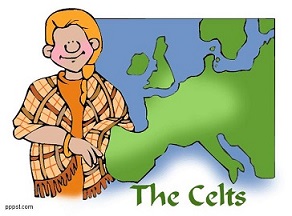
Pincha en el link para aprender más sobre LA CULTURA CELTA.
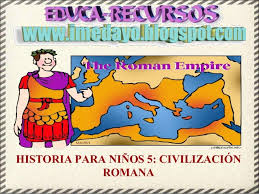
Pincha en el link para aprender más sobre LA CIVILIZACIÓN ROMANA.

Pincha en el link para ver aprender más sobre la LA ANTIGUA GRECÍA.
Be a Roman sleuth - use your detective skills to unravel the events behind a mysterious death. You have until dawn to investigate the crime scene, and crack the case.
Piece together the puzzle using their evidence, eye-witness testimonies, and perhaps a little detective’s intuition.
El 19 de diciembre de 2011, la Asamblea General de las Naciones Unidas aprobó la Resolución 66/170 en la que declaraba el 11 de octubre como el Día Internacional de la Niña, con el objetivo de reconocer los derechos de las niñas y los problemas excepcionales que las niñas confrontan en todo el mundo.
Todos los días, las niñas hacen frente a la discriminación y la violencia en todo el mundo. El Día Internacional de la Niña centra la atención en la necesidad de abordar los desafíos que enfrentan las niñas y promover su empoderamiento y el cumplimiento de sus derechos humanos.