EL DIA DE LA PAZ EN NUESTRO COLEGIO

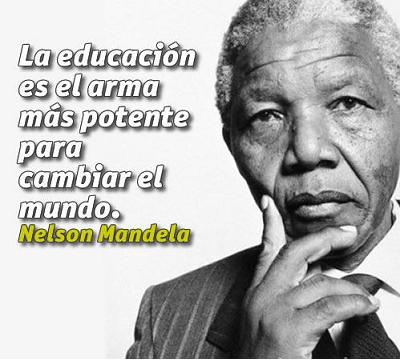
¿Qué sabes sobre Nelson Mandela y su lucha contra el Apartheid?
Investiga y aprende sobre su vida trabajando en la WebQuest que hemos creado para ti.
WebQuest: NELSON MANDELA y su lucha contra el Apartheid

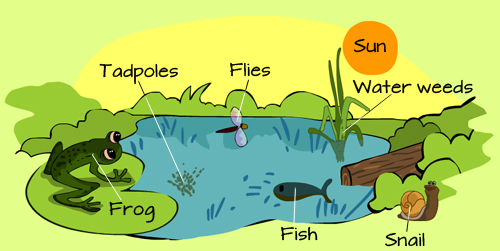
What are the elements of an ecosystem?
What things form part of the biotope?
What things form part of the biocoenosis?
What is the difference between a population and a community?
Explain the difference between intraspecific and interspecific relationships. Give examples.
Which are the trophic levels in a trophic relationship?
What organisms are producers?
What type of organisms feed on secondary consumers?
What do decomposers do in an ecosystem?
What is the difference between a food chain and a food web?
What type of ecosystem is a garden in the city?
What is water salinity?
What are the most important environmental factors in terrestrial ecosystems?
What are the six main types of terrestrial ecosystems.
Where are the largest wetlands in Europe?
Where does pollution come from?
What can happen when plant species disappear?
After a fire, what can happen to the soil in the forest?
Human disrespect for nature can cause ecological problems. Which are the most serious ones?
Define sustainable development and name some of the changes we can make.
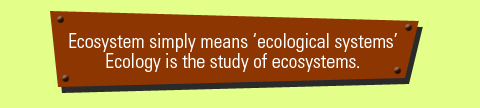
An ecosystem includes all of the living things (plants, animals and organisms) in a given area, interacting with each other, and also with their non-living environments (weather, earth, sun, soil, climate, atmosphere). |

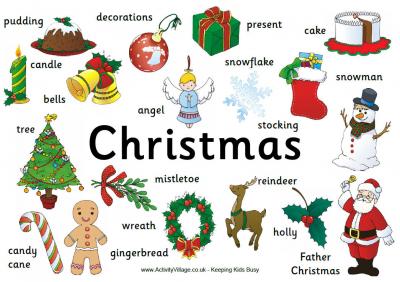
Merry Christmas.com presents a selection of Christmas stories, Christmas poems, Christmas jokes, Christmas coloring pages and more for you to enjoy. Try them all to see what you like the best!
  |  |



| 1. Winter is one of the four seasons. 2. It begins on the Winter Solstice and ends on the Vernal Equinox. 3. Winter is the season with the shortest days and the lowest temperatures. 4. Wind chill can cause problems during the winter. Wind chill is the combination of wind and temperature and is based on the rate of heat loss from exposed skin. 5. When it is Winter in the Southern Hemisphere, it is Summer in the Northern Hemisphere. This occurs because the Southern Hemisphere is tilted away from the sun and the Northern Hemisphere faces the sun more directly because of the way the earth is tilting toward the sun. 6. Trees and plants stop growing in the winter. 7. Many animals hibernate or migrate away from the cold weather. 8. Christmas, Kwaanza, Hanukkah, New Year’s Day, Peace Day, Valentine’s Day and Ground Hog’s Day are all celebrated in the winter. 9. Ice and snow are associated with Winter in many places on the earth. 10. Besides snow, sleet, hail, and freezing rain are associated with winter. |
School is over till next year!!!
Have a wonderful Christmas Holidays!!!

1. Choose a Nature Reserve or National Park in Spain.
2. Search for information about the park in reference books and/or the Internet.
3. Make a poster in a piece of cardboard with the information about the park including:
- Name of the park.
- When it was named National Park or Nature Reserve.
- Location.
- Area.
- Landscape.
- Physical relief.
- Bodies of water in the park or around it.
- Vegetation.
- Animal life.
- Interesting facts.
4. Decorate the poster with pictures of the landscape, vegetation and animal life of the park.
5. Don’t forget to be clean and neat.
6. Be ready to present it to your classmates!!
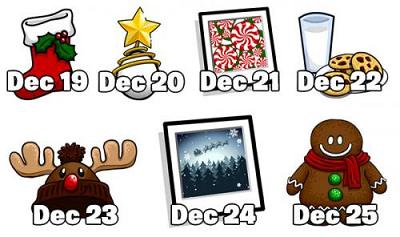
Only 6 more days to Christmas!!!!!