Kiwi Mad World
Have you ever heard about the Kiwi Bird?
I’ve just found this nice video when helping my daughter with her project on this bird that can't fly.
I hope you like it!!

Have you ever heard about the Kiwi Bird?
I’ve just found this nice video when helping my daughter with her project on this bird that can't fly.
I hope you like it!!
We are extremely proud of the effort and work you have done on the Trinity exams.
U R THE BEST!!!


Os recordamos que el martes vamos a realizar la actividad complementaria del área de Educación Física llamada "Senda Ecológica Canencia", donde realizaremos distinto tipo de juegos medioambientales, alternativos y sendas ecológicas.
Acordaros de que saldremos a las 9 de la mañana y volveremos a las 4 de la tarde. Los niños que coméis en el comedor del cole no tenéis que llevar comida porque nuestro amigo el cocinero nos preparará unos buenos bocatas, agua y fruta para comer. Los demás no os olvidéis de vuestro pic-nic que ya sabéis que realizando actividades al aire libre nos entra mucha hambre y sed.
No os olvidéis tampoco de llevar ropa y calzado deportivo, una gorra y una mochila con crema solar.
Os adjutamos un enlace para que echéis un vistazo a los lugares que vamos a visitar.
There was a Crooked Man poem
There was a crooked man and he walked a crooked mile,
He found a crooked sixpence upon a crooked stile.
He bought a crooked cat, which caught a crooked mouse.
And they all lived together in a little crooked house.
Nursery Rhyme & History
The origin of the Nursery rhyme "There was a crooked man" is in British history
The content of "There was a crooked man" poem have a basis in history. The origin of this poem originates from the English Stuart history of King Charles 1. The crooked man is reputed to be the Scottish General Sir Alexander Leslie. The General signed a Covenant securing religious and political freedom for Scotland. The ’crooked stile’ referred to in "There was a crooked man" being the border between England and Scotland. ’They all lived together in a little crooked house’ refers to the fact that the English and Scots had at last come to an agreement. The words reflect the times when there was great animosity between the English and the Scots. The word crooked is pronounced as ’crookED’ the emphasis being placed upon the ’ED’ in the word. This was common in olde England and many references can be found in this type of pronunciation in the
works of William Shakespeare (1564-1616).
I love this great song sung by Grover (known as Coco in Spain) made in 1990.
See if you can sing it along.
Baa baa black sheep, have you any wool?
Yes sir, yes sir, three bags full!
One for the master, one for the dame,
And one for the little boy who lives down the lane.
"Baa, baa black sheep" Nursery Rhyme History
Educational reasons for the poem "Baa, baa black sheep"poem
The reason to the words and history to this song were to associate wool and wool products with the animal that produces it, not to mention the sound that a sheep would make! The first grasp of language for a child or baby is to imitate the sounds or noises that animals make - onomatopoeia (words sound like their meaning e.g. baa baa in "Baa, baa black sheep"). In some of the earlier versions of "Baa, baa black sheep" the title is actually given as "Ba, ba black sheep" - it is difficult to spell sounds!
The earliest publication date for the "Baa, baa black sheep" rhyme or poem is dated 1744. Music was first published for "Baa, baa black sheep" was in the early nineteenth century making it into a song for children.
Even though we shouldn't play with food, isn't it a good idea to use vegetables in art?
As we know you all love books and nice stories here is a link in which you can hear on line stories.
Click on the following link to find your digital library in English and Spanish.
Wee Willie Winkie rhyme poem
Wee Willie Winkie runs through the town,
Upstairs and downstairs in his nightgown,
Tapping at the window and crying through the lock,
Are all the children in their beds, it’s past eight o’clock?
The origin of the Wee Willie Winkie rhyme
The explanation of the words to Wee Willie Winkie was to teach children to associate every day tasks with their own lives. Before the days of the wireless, television and the Internet great reliance was put upon the Town Crier to pass on the latest news and information. ’Wee Willie Winkie’ was the children’s version of the Town Crier! The author of the poem was William Miller (1810 - 1872) and the first publication date of the words to Wee Willie Winkie was in 1841.
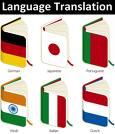
We have just made a new link to a website in which you would be able to translate your texts into lots of different languages and to listen how they sound.
Hope you find it helpful!
Acabamos de crear un nuevo enlace a una página web en la que podréis traducir vuestros textos a un montón de idiomas y escuchar cómo suenan.
Esperamos que os parezca útil.

You’ll love this webpage with information, activities, games, stories, videos, photos, etc. All of them made for kids.
Have a look and enjoy it!
And for those of you who want easier activities and want to share them with younger brothers or sisters:

Ante la dificultad de encontrar libros de lectura recomendados para reforzar el inglés, hemos preparado una Book Fair a la que os invitamos a venir con vuestros padres y dónde podréis elegir libros y comprar aquellos que más os gusten.
Tenéis que recordar que cuanto más leáis mejor os desenvolveréis en la lectura y escritura. Además, el estar diariamente en contacto con libros y disfrutar de actividades sencillas como escuchar cuentos, os despertará el deseo y la motivación por leer.
El próximo martes 12 de mayo, de 16 a 18 h. en el patio de los olivos o en la pista de baloncesto (dependerá del tiempo que haga, que ya sabéis que está un poco loco), la editorial "Tree House" nos traerá libros en inglés (importados desde Inglaterra y Estados Unidos) y en español. El personal de "Tree House" os explicará la importancia de la lectura, especialmente en vacaciones y os ayudará a descubrir vuestras preferencias literarias.
Desde el colegio nos gustaría aprovechar esta feria del libro bilingüe para enseñaros a elegir un libro adecuado a vuestra edad, gusto personal y nivel. Pensamos que los mejores deberes de verano son una buena lectura donde disfrutéis al tiempo que mejoráis vuestra comprensión lectora.
¡Disfrutadlo!
Mary Mary Quite Contrary
Mary Mary quite contrary,
How does your garden grow?
With silver bells and cockle shells
And pretty maids all in a row.
Nursery Rhyme Origins & History
The origins are steeped in history... Bloody Mary!
The Mary alluded to in this traditional English nursery rhyme is reputed to be Mary Tudor, or Bloody Mary, who was the daughter of King Henry VIII. Queen Mary was a staunch Catholic and the garden referred to is an allusion to graveyards which were increasing in size with those who dared to continue to adhere to the Protestant faith - Protestant martyrs.

Here you have a few activities to review the concepts and the vocabulary you already know, and to improve your listening skills.
Hope you enjoy them!